
Google Fit: Activity Tracking
Google LLC
Downloads
100,000,000+
Version
Latest
Advertisement
Click to download now, finish the installation quickly, and directly unlock the "all-round experience"
Advertisement
Screenshots
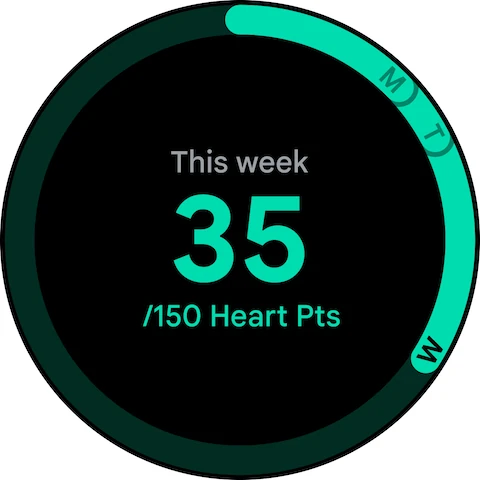
Click to download now, finish the installation quickly, and directly unlock the "all-round experience"
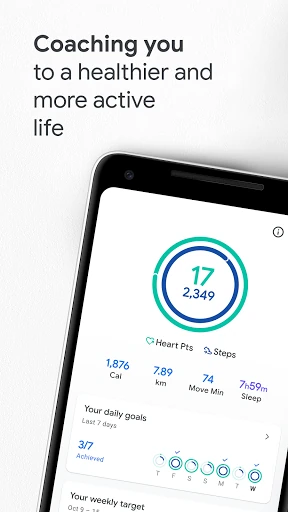
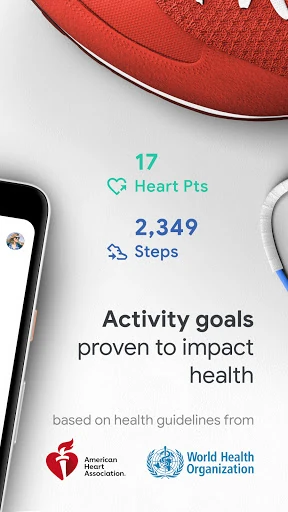
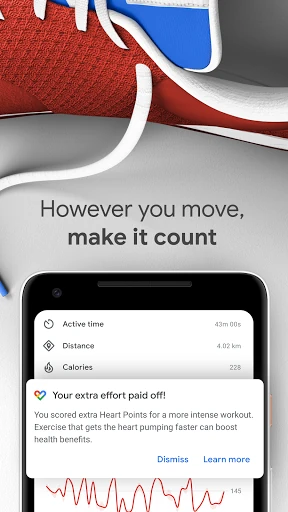
Google Fit: Activity Tracking stands as a cornerstone of the Android health ecosystem, offering a streamlined, science-backed approach to wellness. Developed in collaboration with the World Health Organization (WHO) and the American Heart Association (AHA), it shifts the focus from vanity metrics to meaningful health indicators like Heart Points. It functions both as a standalone tracker and a central data hub, making it an essential utility for users seeking a holistic view of their physical well-being without the clutter of overly complex interfaces. Within the Health & Fitness landscape, it acts as the primary bridge between hardware sensors and actionable health data.
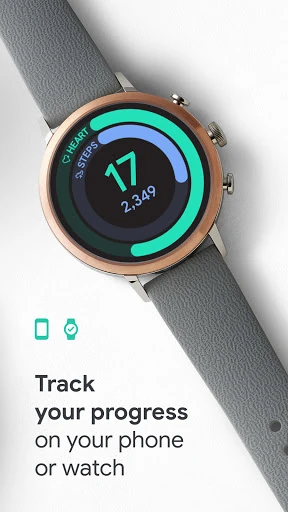
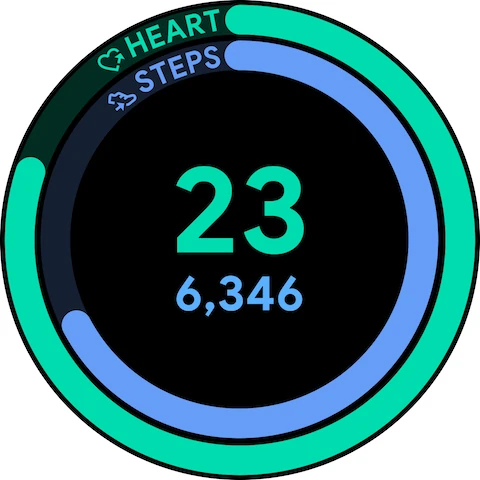
The UI of Google Fit is a masterclass in minimalist design, adhering strictly to Material Design principles. The interface is clean, prioritizing readability through its signature circular goal trackers. UX is highly intuitive, focusing on high-level summaries that prevent data fatigue—a common issue in the Health & Fitness category. Navigation is simplified into core tabs like the Journal and Browse, ensuring that even non-technical users can find their historical data easily. While it lacks the granular, spreadsheet-style depth of "pro" fitness apps, its ease of use and glanceable widgets make it highly effective for daily habit formation.
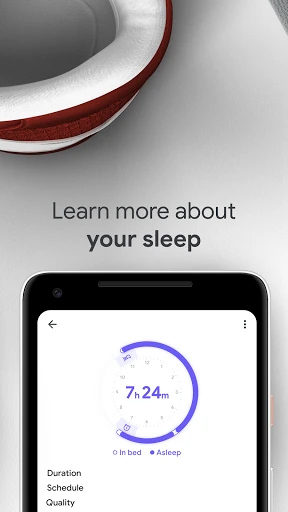
Future updates should focus on expanding the "coaching" aspect of the app. While the data collection is excellent, the app could offer more proactive, personalized suggestions based on a user's historical trends—such as suggesting a specific workout type if Heart Points are low for the week. Additionally, bringing more advanced sleep architecture analysis into the main dashboard would solidify its position as a truly holistic health platform.
Google Fit: Activity Tracking is the ideal solution for the everyday user looking to improve their health through consistent, moderate activity. It is particularly effective for those already invested in the Google ecosystem or owners of Wear OS smartwatches. It serves as an excellent "set-it-and-forget-it" tracker that provides genuine health value without the steep learning curve of specialized athletic apps. For the general population seeking to meet WHO standards for heart health, this is a top-tier recommendation.