Advertisement
Click to download now, finish the installation quickly, and directly unlock the "all-round experience"
Advertisement
Screenshots
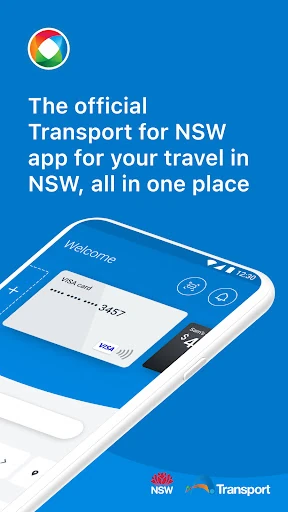
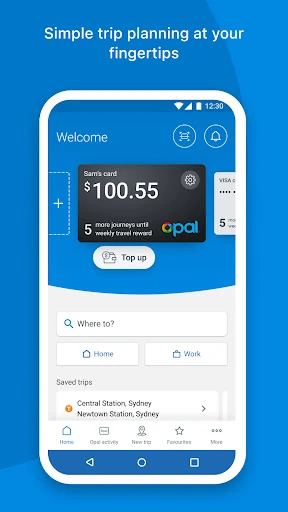
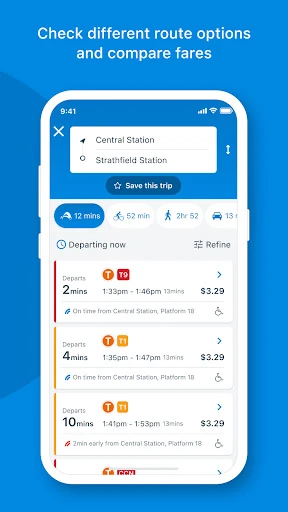
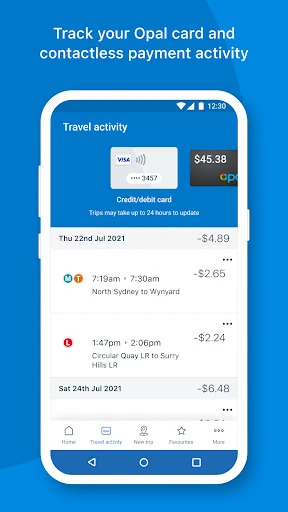
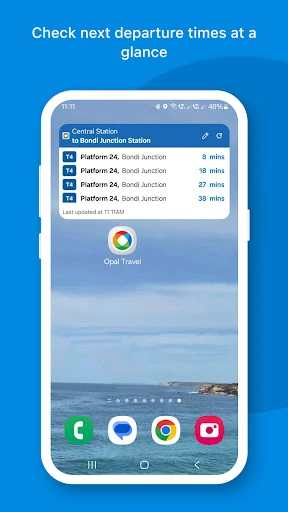
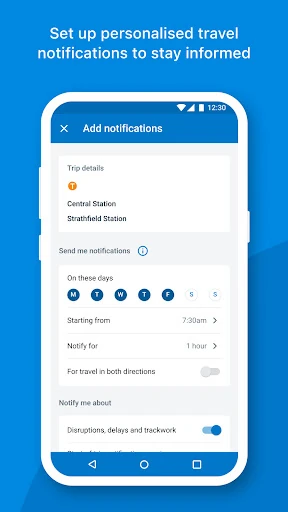
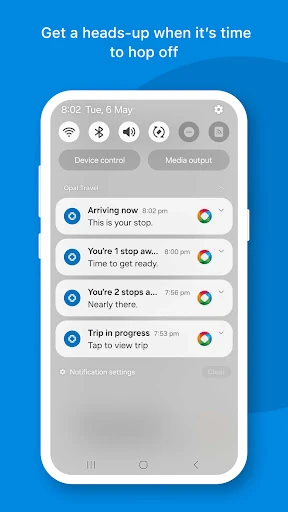
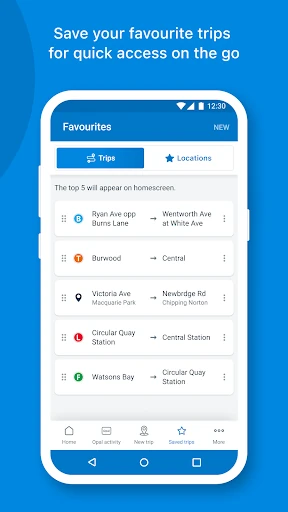
Click to download now, finish the installation quickly, and directly unlock the "all-round experience"
Opal Travel stands as the definitive digital companion for navigating the complex public transport landscape of New South Wales, Australia. As the official utility from Transport for NSW, it serves as a high-utility bridge between the physical Opal card system and the modern commuter's need for real-time data. In the Travel & Local category, it distinguishes itself by being an authoritative source of truth, offering a level of integration with local infrastructure that third-party transit apps struggle to match. Its primary value proposition lies in the seamless consolidation of fare management and multi-modal journey planning into a single, reliable interface.
The UI of Opal Travel follows a utility-first design philosophy, prioritizing data density and legibility over aesthetic flourishes. For a Travel & Local app, this is the correct approach; users typically access the app while in transit and need information within seconds. The navigation is logically structured, with the trip planner and card management features placed prominently. While the interface may feel somewhat utilitarian compared to more "lifestyle-oriented" travel apps, its adherence to accessibility standards ensures that a wide demographic of commuters can navigate its features with minimal cognitive load.
To further enhance the user experience, the developers should consider integrating real-time vehicle occupancy data—showing how crowded a bus or train is before it arrives. Additionally, the implementation of a dedicated home-screen widget to display the primary Opal card's balance would save users the step of opening the app entirely. Improving the latency of contactless payment history reflected in the app would also bring it closer to a true real-time financial ledger for transit.
Opal Travel is an essential tool for anyone living in or visiting Sydney and the broader NSW region. Its target audience ranges from daily professional commuters to occasional tourists who require certainty in their travel timings and costs. While its niche is geographically specific, its execution as a functional utility is top-tier. For those relying on the NSW transport network, it is not just a recommendation—it is a necessity for efficient urban mobility.