
Vital Signs - Blood Pressure
Personal Health Apps
Downloads
100,000+
Version
Latest
Advertisement
Click to download now, finish the installation quickly, and directly unlock the "all-round experience"
Advertisement
Screenshots
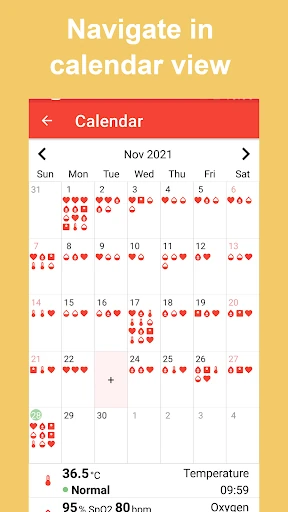
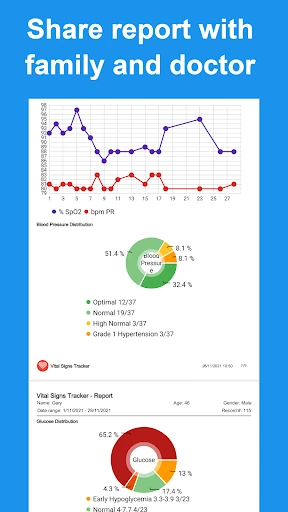
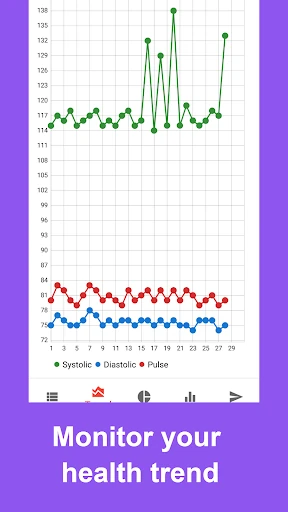
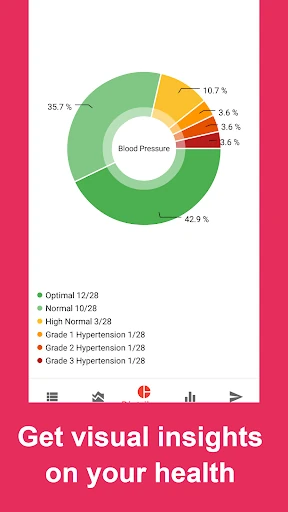
Click to download now, finish the installation quickly, and directly unlock the "all-round experience"
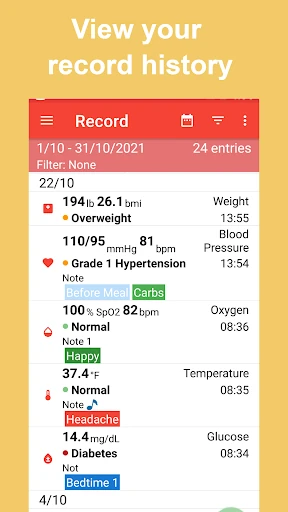
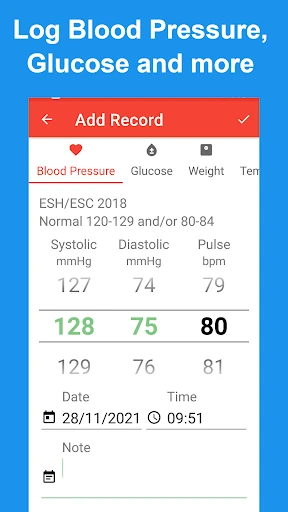
Vital Signs - Blood Pressure stands out as a comprehensive and highly utilitarian health management tool within the Medical category. Rather than focusing on a single metric, it serves as a centralized repository for a vast array of physiological data, including heart rate, glucose, oxygen levels, and temperature. In a landscape often cluttered with single-purpose trackers, Vital Signs - Blood Pressure positions itself as an essential bridge between a user's daily home measurements and clinical consultation, prioritizing data integrity and portability over gimmicks.
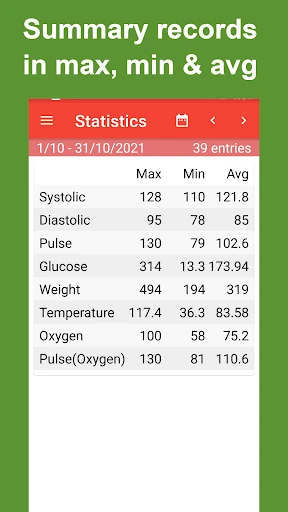
The user interface of Vital Signs - Blood Pressure is designed with a "utility-first" philosophy, which is standard for high-quality medical applications. The UX focuses on reducing the friction of manual entry—a common pain point in health journaling. By employing a clean layout and summary statistics (min, max, avg), the app ensures that critical health trends are visible at a glance. The design successfully navigates the challenge of displaying dense medical data without overwhelming the user, though its aesthetic remains more functional than modern.
To truly evolve into a market leader, the app should look toward integrating with the Android Health Connect ecosystem or Google Fit. This would allow for the automatic syncing of data from wearable devices, significantly reducing the manual burden on the user. Additionally, implementing a reminder system for medication and measurement intervals would help users maintain the consistency required for accurate long-term health monitoring.
Vital Signs - Blood Pressure is an ideal tool for individuals managing chronic conditions like hypertension or diabetes, as well as health-conscious users who prefer a centralized digital journal. While it does not measure vitals itself, its organizational and reporting capabilities make it an excellent companion to physical medical devices. We recommend this app for users who value data ownership and professional-grade reporting over automated, passive tracking.